A lot of people are nervous about money right now. Between political uncertainty, global conflict, oil prices, inflation concerns, and constant market headlines, it is easy to feel stuck. One day it feels like the market could take off. The next day it feels like everything could fall apart. That
Retirement planning in Colleyville often looks different than generic retirement advice. Many families here have spent decades building businesses, careers, real estate, retirement accounts, stock portfolios, and meaningful community ties. Colleyville households also tend to have higher incomes than many other areas, with Census data showing median household income of
Today, we recognize Juneteenth, a day that commemorates the end of slavery in the United States and celebrates freedom, resilience, and progress. Juneteenth serves as an important reminder that meaningful change often takes time, perseverance, and a commitment to moving forward together. It is a day to reflect on our
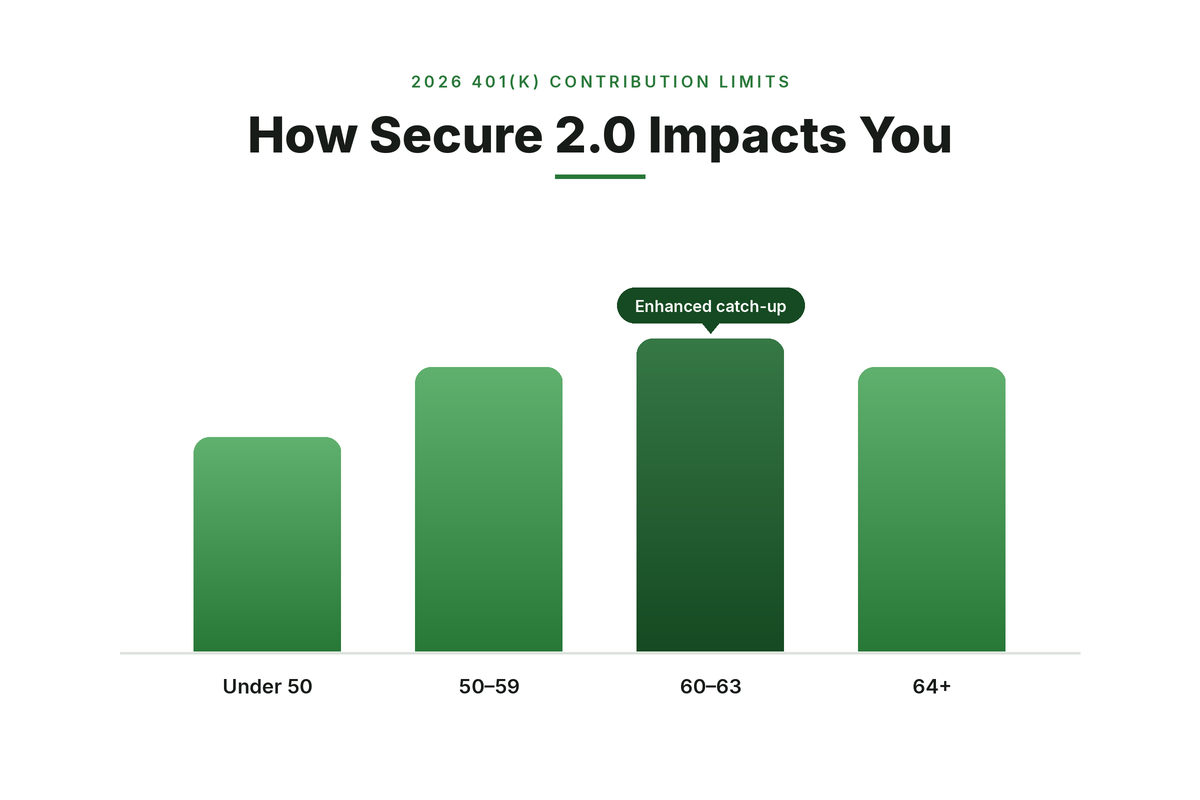
The SECURE 2.0 Act is one of the most significant retirement planning reforms in years. While the legislation was originally signed into law in late 2022, many of its most impactful provisions became effective during 2025 and 2026. For retirement savers, business owners, and employees participating in workplace retirement plans,
Artificial intelligence is everywhere right now. Whether it’s ChatGPT, Claude, Gemini, or one of the dozens of other tools flooding the market, people are using AI to answer questions, solve problems, and make decisions faster than ever before. In many ways, it’s one of the most impressive technologies we’ve seen
Most people are taught that debt is something to avoid. Pay off your credit cards. Pay off your car. Pay off your house. Never borrow money if you can avoid it. If you follow that advice, you’ll probably stay out of a lot of financial trouble. You’ll avoid many of
Most people think tax planning is something you do in March or April. You gather documents, send them to your CPA, sign the return, pay what you owe, and move on. The problem is that tax preparation and tax planning are not the same thing. Tax preparation looks backward. It
Most people don’t struggle with money because they’re bad at math. They don’t struggle because they picked the wrong budgeting app. And they usually don’t struggle because they lack intelligence. In my experience, the biggest reason people struggle financially is because they don’t have a system. Instead, they have bits
Building a successful business is one of the most effective ways to create wealth, but for many entrepreneurs in Colleyville, the business itself becomes both their largest asset and their biggest financial risk. While growing revenue and increasing profitability are essential, long-term wealth creation requires a broader strategy that extends
Memorial Day means different things to different people. For many families, it marks the beginning of summer, time spent outside, cookouts, baseball games, and long weekends together. But underneath all of that is something far more important. Memorial Day exists to remember the men and women who gave their lives